
 Home
Home
Foreign firms and investors should be aware of the growing potential and changing landscape of Vietnam’s electric vehicle (EV) industry. This emerging sector is entering a period of rapid growth, presenting numerous business-to-business (B2B) opportunities. Understanding the dynamics of Vietnam’s automotive industry and the market potential is crucial for those looking to enter this promising market.
The electric vehicle (EV) market is experiencing a worldwide transformation, and Vietnam is no exception. This shift is not only driven by consumers but also by increasing business-to-business (B2B) collaboration, which brings forth lucrative opportunities for firms to provide parts, components, and ancillary services. From EV charging infrastructure to battery manufacturing and supply, there are various avenues for growth in Vietnam’s relatively underdeveloped EV industry. First-movers may enjoy advantages but should also be prepared to invest in developing the market as a whole. In this summary, we explore the B2B opportunities available in Vietnam’s electric vehicle industry.
Challenges entering the Vietnamese EV market
The Vietnamese EV market poses challenges for businesses looking to enter the industry. One major obstacle is the lack of infrastructure. Vietnam needs to establish a robust charging network to support widespread EV adoption, but there is currently a scarcity of charging stations, limited power grid capacity, and a lack of standardized charging protocols. These factors can create operational difficulties.
The government acknowledges these challenges, as Deputy Minister of Transportation, Le Anh Tuan, mentioned in a workshop last year. There are indications that the government will support private sector-led initiatives to develop key enabling infrastructure.
Another challenge arises from intense competition. As Vietnam’s EV industry shows great potential, foreign companies adopting a wait-and-see approach may face fierce competition from established players within Vietnam, such as VinFast, as well as from other countries. Competitors like Tesla, BYD, and Volkswagen have extensive experience, resources, and established supply chains that could pose a challenge to newcomers in the market.
Policy and regulatory environment
Policy and regulatory factors play a crucial role in the EV market in Vietnam. Navigating complex and evolving regulations, obtaining permits, and complying with quality standards can pose challenges for businesses. The government recently issued a decree regarding the inspection and certification of imported automobiles and parts, adding another layer of regulations for importers.
Talent acquisition, skills gap
The talent acquisition and skills gap is another challenge. Finding skilled professionals with expertise in EV technology is difficult due to a lack of educational institutions specifically focused on this industry. Companies may struggle to recruit and retain qualified personnel, especially with the rapid pace of technological advancements requiring continuous training and upskilling.
Opportunities
Despite these challenges, there are opportunities in the domestic EV market. Growing customer interest in EV adoption is expected to drive demand, with the number of EVs projected to reach 1 million units by 2028 and 3.5 million units by 2040. This will fuel supporting industries such as infrastructure, charging solutions, and ancillary EV services, providing opportunities for B2B collaboration and strategic alliances.
There are significant B2B opportunities in-vehicle components and technologies in Vietnam. International companies like ABB and Foxconn have made investments in manufacturing EV-related components. ABB provided robots to VinFast’s factory, boosting electric vehicle production, while Foxconn plans to establish a factory for EV chargers and components.
Overall, despite challenges, the nascent EV industry in Vietnam offers fertile ground for B2B collaboration and presents opportunities for businesses to contribute to its growth and capitalize on the emerging market landscape.
EV charging and infrastructure development
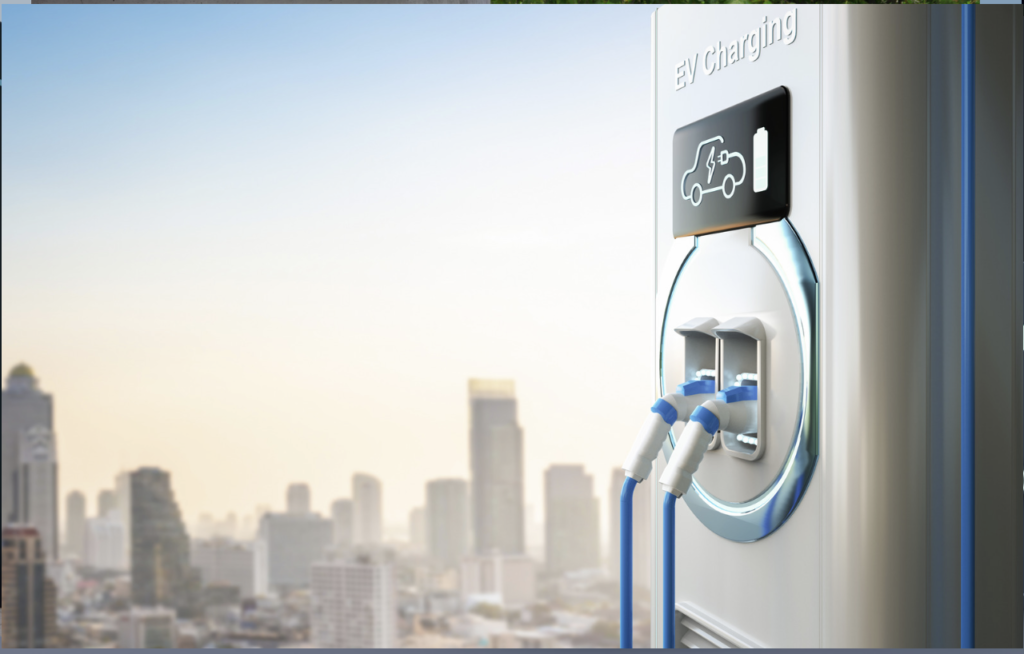
The development of EV charging infrastructure presents significant opportunities for collaboration in Vietnam. An agreement between Petrolimex Group and VinFast will result in VinFast charging stations being installed at Petrolimex petrol stations, along with battery rental services and dedicated maintenance stations for EV repair.
Understanding the market for EV services
The EV industry in Vietnam goes beyond manufacturing and includes services like EV leasing and mobility solutions.
VinFast, through its subsidiary Green Sustainable Mobility (GSM), offers electric car leasing services to transportation companies. Lado Taxi has integrated nearly 1,000 VinFast EVs into their electric taxi fleet, while Sun Taxi has signed a contract to procure 3,000 VinFast cars, representing the largest fleet acquisition in Vietnam so far.
Selex Motors and Lazada Logistics have partnered to use Selex Camel electric scooters in their operations in Ho Chi Minh City and Hanoi. The collaboration aims to operate at least 100 electric scooters in 2023.
Dat Bike, a Vietnamese electric scooter company, has collaborated with Gojek to revolutionize transportation services such as passenger transportation, food delivery, and general delivery. They will utilize Dat Bike’s advanced electric motorbike, the Dat Bike Weaver++, in their operations.
VinFast has invested in Be Group, a technology car company, and signed an agreement to deploy VinFast electric motorbikes. With support from VPBank, Be Group drivers receive exclusive benefits for renting or owning VinFast electric cars.
These collaborations highlight the growing range of services in the EV industry in Vietnam, offering opportunities for innovation, sustainability, and partnerships across various sectors.
Key takeaways
As the EV market expands, companies need a strong network of suppliers, service providers, and partners to sustain their operations and meet growing demand. This creates opportunities for B2B collaborations and partnerships that offer innovative solutions, specialized components, or complementary services.
Although challenges exist, the future potential of the EV industry in Vietnam is undeniable. By forming strategic supply chain partnerships and providing after-sales services, B2B businesses can leverage each other’s strengths, foster innovation, and contribute to the overall growth and development of the EV industry in Vietnam.
